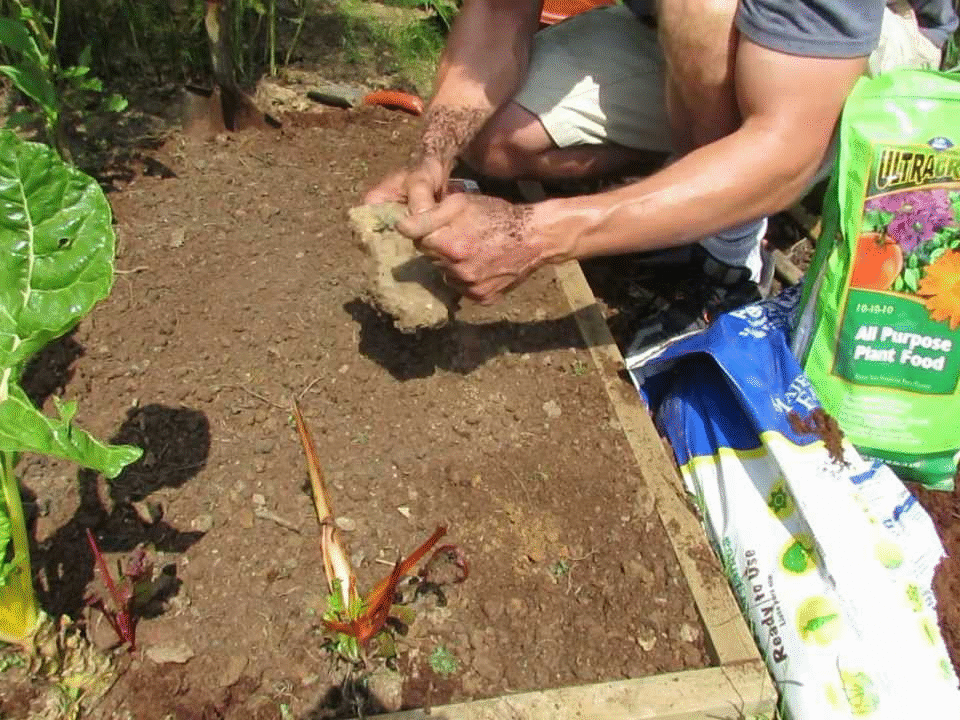
How to Prepare Soil for Planting Vegetables: A Step-by-Step Guide
February 11, 2026
Affordable Backyard Landscaping Ideas: Transform Your Outdoor Space on a Budget
February 11, 2026
Gardening is often thought of as a time-consuming hobby that requires hours of daily care. But what if you love the idea of a beautiful outdoor space but don’t have the time to tend to it constantly? The good news is that you don’t need to spend hours watering, pruning, or weeding to have a garden that looks amazing. With the right planning and strategies, you can create a low maintenance garden that thrives with minimal effort.
In this article, we’ll explore practical ideas, plant choices, and design tips specifically for busy people who want a stunning outdoor area without the stress.
1. Start with Smart Planning
Before planting anything, take a moment to plan your garden layout. A well-thought-out garden can save you hours of work later. Here are a few tips:
- Assess sunlight and soil: Note which parts of your yard get full sun, partial shade, or full shade. This helps you choose plants that naturally thrive in each spot, reducing the need for extra care.
- Think about accessibility: Keep high-use areas free from obstacles. Use wide paths and simple layouts so maintenance tasks like watering or pruning are easier.
- Group plants by water needs: Placing plants with similar watering needs together makes irrigation much easier and efficient.
By planning ahead, you’ll set yourself up for a garden that requires less time and fewer headaches.
2. Choose Low Maintenance Plants
The key to a low maintenance garden is choosing the right plants. Some plants require frequent watering, pruning, and fertilizing, while others are naturally resilient. Consider these options:
- Perennials: These plants come back every year, so you don’t need to replant annually. Examples include lavender, hostas, and coneflowers.
- Native plants: Plants that are native to your area are naturally adapted to your climate and soil. They need less water, fertilizer, and care.
- Succulents and cacti: Perfect for hot and dry areas, they require minimal watering and are incredibly forgiving.
- Evergreens: These plants keep their leaves year-round, providing structure and greenery with minimal upkeep.
When selecting plants, look for labels like “drought-tolerant,” “pest-resistant,” or “low maintenance.” These are often indicators that the plant is easy to care for.
3. Use Mulch to Save Time
Mulching is a simple trick that makes gardens much easier to maintain. A layer of mulch has multiple benefits:
- Suppresses weeds, so you spend less time pulling them.
- Retains moisture, reducing the need for frequent watering.
- Protects plant roots from temperature extremes.
- Adds a neat and polished look to your garden beds.
Organic mulches like bark, wood chips, or straw are great choices. They also break down over time, enriching the soil naturally.
4. Consider Hardscaping
Hardscaping refers to the non-living elements of your garden, such as patios, pathways, decks, and rocks. Incorporating hardscapes reduces the amount of lawn or garden space that needs regular maintenance.
- Patios and decks: Less lawn means less mowing. A small seating area can make your garden functional without adding work.
- Gravel or stone paths: These define spaces while being easy to maintain. You won’t need to mow or trim around them.
- Raised garden beds: They keep soil contained and reduce weeding while also improving drainage.
Smart use of hardscaping allows you to enjoy your garden with minimal effort while still keeping it attractive.
5. Opt for Automatic Watering Systems
Watering is one of the most time-consuming gardening tasks. Installing a drip irrigation system or soaker hoses can save hours each week. Benefits include:
- Direct water delivery to roots, reducing waste.
- Fewer weeds, since water doesn’t sprinkle onto surrounding soil.
- Consistent watering even when you’re busy or away.
Timers can be added to irrigation systems so you don’t even have to remember to turn them on. This is a lifesaver for busy individuals.
6. Keep the Lawn Small or Skip It
Lawns are notoriously high maintenance, requiring mowing, watering, fertilizing, and weed control. If you’re busy, consider alternatives:
- Reduce lawn size: Keep just enough for functionality, like a small play area or visual space.
- Ground covers: Clover, moss, or creeping thyme can replace grass and require less care.
- Artificial turf: Modern artificial grass looks natural and eliminates mowing entirely.
By minimizing lawn space, you reduce weekly maintenance significantly.
7. Choose Evergreen and Low-Pruning Shrubs
Shrubs provide structure and greenery to a garden, but some types need constant trimming. To keep it low maintenance:
- Choose slow-growing varieties that maintain their shape naturally.
- Evergreen shrubs like boxwood, holly, or rhododendron stay green year-round and don’t need frequent pruning.
- Group shrubs in clusters to create instant privacy or visual interest without extra planting or care.
This approach keeps your garden looking lush all year without constant attention.
8. Use Container Gardening
Container gardening is ideal for busy people because it’s flexible and low maintenance. You can control soil, water, and location more easily.
- Containers allow you to move plants to sunlight or shade as needed.
- Using self-watering pots reduces watering chores.
- You can mix perennials and annuals in containers for seasonal variety without long-term commitment.
Even a small balcony or patio can feel like a garden with a few well-chosen containers.
9. Embrace Natural Mulches and Rock Gardens
If you want something even simpler, consider rock gardens or xeriscaping. These styles rely on drought-tolerant plants and minimal soil maintenance.
- Rock gardens reduce watering and weeding.
- Add hardy plants like sedums, ornamental grasses, and lavender.
- Decorative stones or gravel create a modern look while eliminating extra chores.
This approach is perfect for busy people who want style with almost no upkeep.
10. Plan Seasonal Care in Advance
Even low maintenance gardens need occasional attention. You can save time by planning seasonal tasks in advance:
- Spring: Mulch beds, prune shrubs, and plant perennials.
- Summer: Watering, deadheading flowers, and mowing lawns if needed.
- Fall: Remove debris, prepare soil, and plant bulbs for spring.
- Winter: Minimal tasks; mostly pruning or planning next year’s layout.
Having a clear seasonal plan helps you stay on top of garden care without feeling overwhelmed.
Conclusion
A beautiful garden doesn’t have to be high maintenance. With smart planning, the right plant choices, and a few time-saving strategies, even the busiest person can enjoy a lush, thriving outdoor space.
Key takeaways for a low maintenance garden:
- Plan the layout according to sunlight, water, and accessibility.
- Choose low maintenance plants like perennials, evergreens, and native species.
- Use mulch and hardscaping to reduce work.
- Install an automatic watering system.
- Minimize lawn space and focus on container gardening or rock gardens.
With these tips, you can have a garden that’s stress-free, beautiful, and easy to care for.
FAQ
1. What are the easiest plants to grow for a busy gardener?
Perennials, native plants, succulents, and evergreen shrubs are excellent choices because they require minimal watering, pruning, and care.
2. How can I reduce watering in my garden?
Use mulch to retain moisture, group plants by water needs, and install a drip irrigation system or self-watering containers.
3. Is a lawn necessary in a low maintenance garden?
No. You can reduce lawn space, replace it with ground covers, or use artificial turf to cut down on mowing and watering.
4. Can I have a colorful garden without high maintenance?
Yes! Use perennial flowers that bloom in different seasons, plant colorful shrubs, or add container plants for seasonal color.
5. How much time will a low maintenance garden take each week?
Once established, a well-planned low maintenance garden can take as little as 1–2 hours a week for watering, occasional weeding, and minor pruning.