
How to Prepare Walls Before Painting: A Complete Guide
February 11, 2026
Energy Efficient Heating and Cooling Systems: A Complete Guide
February 11, 2026
Your HVAC system is the unsung hero of your home. It keeps you warm in the winter, cool in the summer, and ensures your indoor air stays clean and comfortable year-round. But like any complex system, it needs regular care to function at its best. Many homeowners ask: “How often should HVAC be serviced?” The answer isn’t one-size-fits-all, but understanding the factors involved can save you money, improve efficiency, and extend the life of your system.
In this article, we’ll explain how often you should schedule HVAC maintenance, why it’s important, what a typical service includes, and how to keep your system running smoothly all year long.
Why Regular HVAC Maintenance Is Important
An HVAC system is made up of multiple parts: the furnace, air conditioner, heat pump, ducts, vents, filters, and thermostat. Each component works together to regulate temperature and air quality. Without regular servicing, small issues can turn into expensive repairs. Here’s why maintenance matters:
- Efficiency – A well-maintained HVAC system uses less energy, lowering your utility bills. Dirty filters or clogged coils can force the system to work harder, wasting electricity or gas.
- Longevity – Regular check-ups can extend the lifespan of your HVAC system. Systems that are neglected often fail sooner than those that are properly maintained.
- Safety – A neglected furnace or heat pump can develop safety hazards, like gas leaks or electrical issues. Routine inspections catch problems before they become dangerous.
- Comfort – HVAC maintenance ensures your home stays at the right temperature and humidity. Neglecting it can result in uneven heating or cooling, making your home uncomfortable.
- Air Quality – Dust, pollen, and mold can accumulate in your system if it’s not cleaned regularly. This can worsen allergies or respiratory problems for your family.
How Often Should HVAC Be Serviced?
The frequency of HVAC maintenance depends on the type of system you have, how old it is, and how heavily you use it. Here’s a general guideline:
1. Furnace Maintenance
- Recommended Frequency: Once a year (preferably in the fall before winter starts)
- Reason: Furnaces work hardest in the winter, so inspecting them before the season ensures they operate safely and efficiently.
2. Air Conditioner Maintenance
- Recommended Frequency: Once a year (ideally in spring before summer)
- Reason: Air conditioners need cleaning and inspection before heavy use to avoid breakdowns during hot weather.
3. Heat Pump Maintenance
- Recommended Frequency: Twice a year (spring and fall)
- Reason: Heat pumps provide both heating and cooling, so they need attention before each season of heavy use.
4. Ductwork and Air Quality Systems
- Recommended Frequency: Every 2-3 years, or sooner if you notice airflow issues
- Reason: Ducts accumulate dust, debris, and sometimes mold. Cleaning improves air quality and system efficiency.
5. Filters
- Recommended Frequency: Every 1-3 months
- Reason: Dirty filters restrict airflow, reduce efficiency, and strain the system. High-usage homes may need monthly changes, while smaller households might manage every three months.
Signs Your HVAC Needs Immediate Service
Even if your system is on a regular maintenance schedule, it’s important to watch for warning signs. If you notice any of the following, schedule a service immediately:
- Strange noises (banging, clanking, or hissing)
- Unpleasant odors coming from vents
- Uneven heating or cooling
- High energy bills without reason
- Frequent cycling (turning on and off too often)
- Water leaks around the unit
Ignoring these signs can lead to costly repairs or even a full system replacement.
What Does HVAC Service Include?
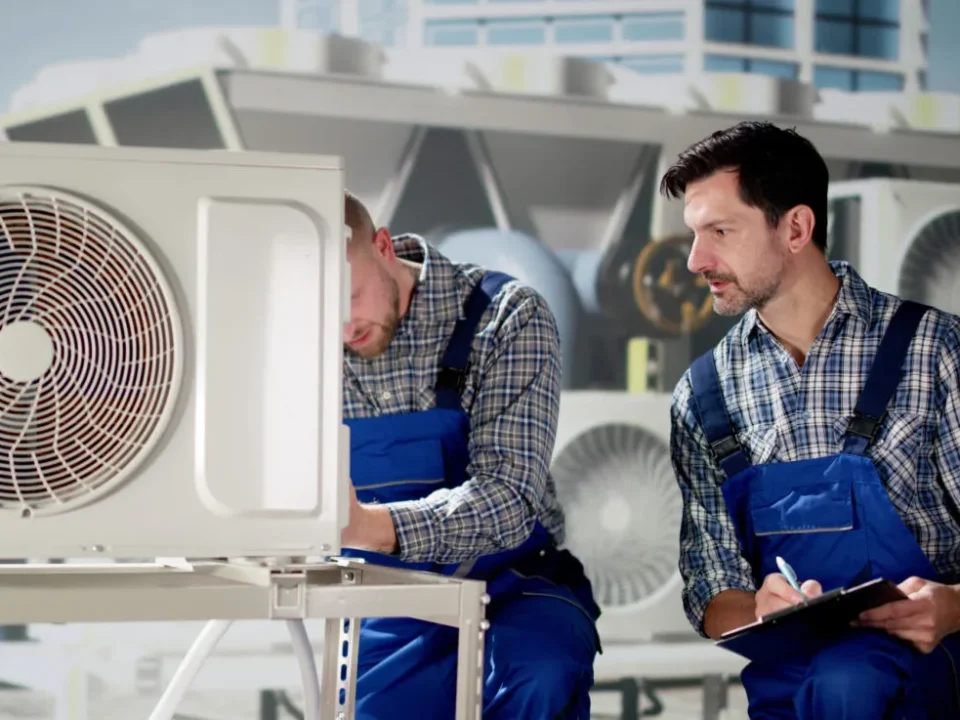
When a professional technician services your HVAC system, they typically perform the following tasks:
- Inspection – Checking all components for wear, leaks, or damage.
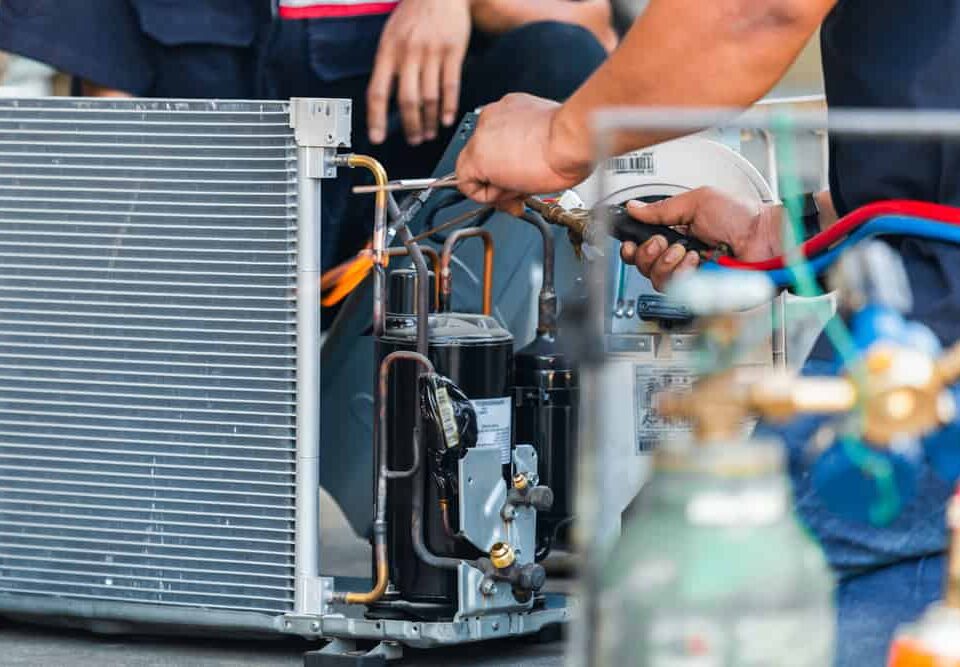
- Cleaning – Removing dust and debris from coils, fans, and vents.
- Filter Replacement – Replacing or cleaning air filters to ensure proper airflow.
- Lubrication – Oiling moving parts to reduce friction and wear.
- Thermostat Check – Ensuring your thermostat is accurate and responsive.
- System Test – Running the system to make sure heating and cooling are working properly.
- Safety Check – Verifying that gas lines, electrical connections, and ventilation are safe.
Some technicians may also offer refrigerant checks for AC units or carbon monoxide testing for furnaces, which can be lifesaving.
DIY Tips Between Professional Services
While professional service is essential, there are steps you can take to maintain your HVAC system between visits:
- Change or clean filters regularly – This is the easiest way to improve efficiency and air quality.
- Keep vents clear – Avoid blocking vents with furniture or curtains.
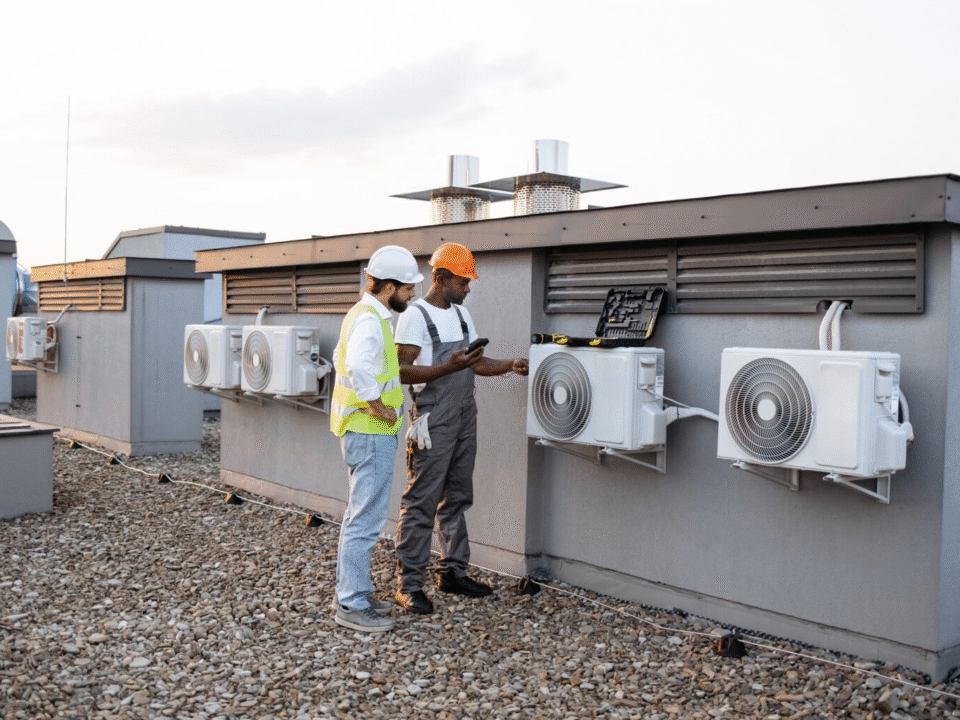
- Clean around outdoor units – Remove leaves, dirt, and debris from the exterior of AC units or heat pumps.
- Check the thermostat – Replace batteries and calibrate if necessary.
- Monitor energy bills – Sudden spikes can indicate an inefficient system.
Benefits of Regular HVAC Maintenance
Investing in annual HVAC service might seem unnecessary, but the benefits are clear:
- Lower energy bills – A clean and well-functioning system uses less energy.
- Fewer repairs – Maintenance catches problems before they require expensive fixes.
- Better comfort – Your home stays at an even temperature.
- Improved air quality – Reduces dust, allergens, and mold in the air.
- Longer system life – Systems that are cared for last longer, saving money on early replacements.
FAQs About HVAC Service
1. Can I service my HVAC system myself?
You can do basic tasks like changing filters and cleaning vents, but professional maintenance is recommended for inspections, coil cleaning, and safety checks.
2. How much does HVAC service cost?
Costs vary depending on system type and region, but annual maintenance typically ranges from $100 to $200. Consider it an investment compared to costly repairs.
3. Will regular service really extend my system’s life?
Yes. Regular maintenance prevents wear and tear, catches small issues early, and keeps your system running efficiently, often extending its life by several years.
4. Do older HVAC systems need more frequent service?
Yes. Older systems may have more worn components and could benefit from semi-annual inspections to prevent sudden breakdowns.
5. What happens if I skip HVAC maintenance?
Skipping maintenance can lead to decreased efficiency, higher bills, poor air quality, system breakdowns, and shorter equipment lifespan.
Final Thoughts
HVAC systems are complex, but maintaining them doesn’t have to be overwhelming. Understanding how often HVAC should be serviced is the first step to keeping your home comfortable, safe, and energy-efficient. For most systems, an annual professional check combined with routine DIY care like changing filters is enough to prevent problems and save money in the long run.
Think of HVAC service as a health check-up for your home: a little prevention now keeps you comfortable and worry-free all year.