How to Set Up a Smart Home System: A Step-by-Step Guide
February 11, 2026
Bathroom Renovation Cost Breakdown: A Complete Guide
February 11, 2026
Smart home technology has become increasingly popular, but many people assume it’s too expensive or complicated. The truth is, smart home automation doesn’t have to cost a fortune. With affordable devices and creative ideas, anyone can turn their home into a more convenient, energy-efficient, and secure space. In this article, we’ll explore practical affordable smart home automation ideas that are easy to implement, even for beginners.
1. Smart Lighting: Bright Ideas for Less
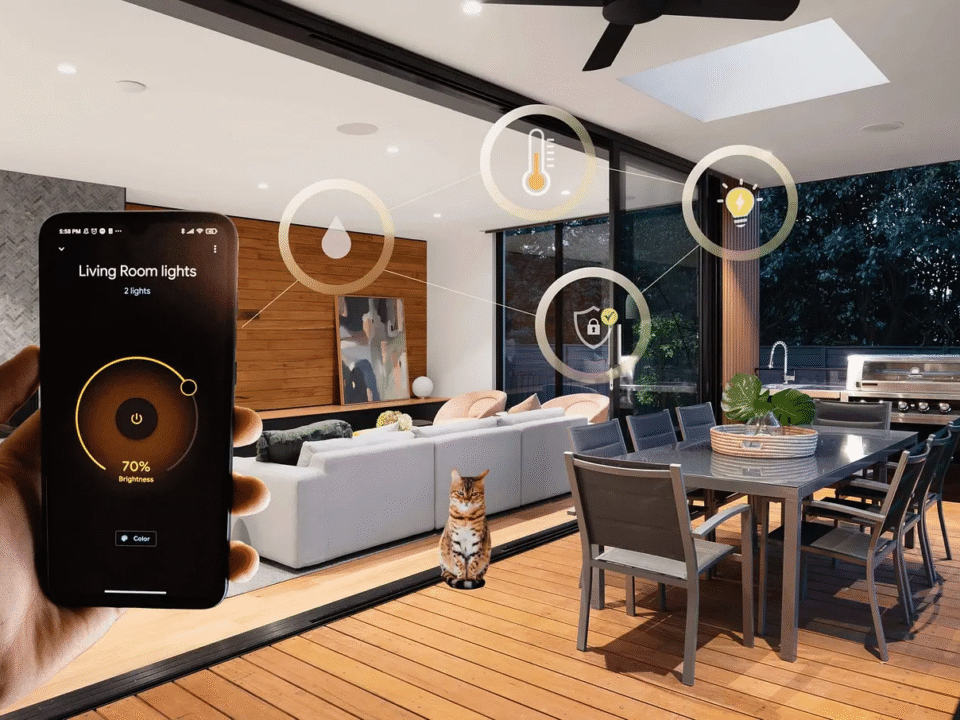
One of the easiest ways to start automating your home is with smart lighting. Smart bulbs and smart plugs let you control your lights remotely using a smartphone app or voice commands through assistants like Alexa, Google Assistant, or Siri.
Affordable options include:
- Wi-Fi bulbs: These plug directly into your light sockets and cost less than $20 per bulb. They often allow dimming, color changes, and scheduling.
- Smart plugs for lamps: If you already have favorite lamps, a smart plug can make them “smart” without replacing the bulbs.
Benefits:
- Schedule lights to turn on/off automatically
- Save energy by turning off lights when no one is home
- Improve home security by making it look like someone is home
Pro tip: Start with high-traffic areas like the living room or bedroom to see the biggest impact.
2. Smart Thermostats: Save Energy Effortlessly
Heating and cooling are some of the biggest energy expenses in any home. Smart thermostats help you save money by adjusting the temperature automatically based on your habits.
Affordable smart thermostats include brands like Wyze, Honeywell, and Google Nest Thermostat E. They let you:
- Set schedules for heating/cooling
- Control the temperature from your phone
- Monitor energy usage
Even a $100 smart thermostat can reduce your energy bills significantly over time, making it a cost-effective home automation investment.
3. Smart Plugs and Outlets: Make Any Device Smart
You don’t need a high-tech appliance to get started with home automation. Smart plugs and outlets allow you to control everyday devices like coffee makers, fans, and lamps.
How it works:
- Plug your device into a smart plug
- Connect it to your Wi-Fi network
- Control it with a smartphone app or voice commands
Ideas to try:
- Set your coffee maker to start brewing before you wake up
- Schedule your fans or heaters to turn on/off automatically
- Automate holiday lights without climbing a ladder
Smart plugs are affordable (around $15–$25 each), making them one of the easiest ways to begin automating your home.
4. Smart Security on a Budget
Home security doesn’t have to be expensive. You can create a smart security setup without breaking the bank using cameras, sensors, and doorbells.
Affordable options include:
- Wi-Fi security cameras ($30–$60 each)
- Video doorbells ($50–$100)
- Motion sensors ($15–$30 per sensor)
Benefits:
- Monitor your home from anywhere
- Receive alerts when someone enters your property
- Integrate with smart lights to turn them on automatically when motion is detected
Even a few devices can give you peace of mind without spending thousands on a full system.
5. Voice Assistants: The Smart Hub
A voice assistant like Amazon Echo or Google Nest Mini can act as the central hub for your affordable smart home. For under $50, these devices can:
- Control lights, plugs, and other smart devices
- Answer questions, set reminders, and play music
- Work with multiple devices to create “routines” (for example, turning off lights and locking doors with a single command)
Having a voice assistant simplifies automation, making your home feel futuristic and convenient.
6. Smart Sensors: Small Devices, Big Impact
Sensors might seem simple, but they can significantly enhance your smart home experience. Examples include:
- Door and window sensors: Get alerts if a door or window is opened
- Water leak sensors: Detect leaks before they cause damage
- Temperature and humidity sensors: Monitor your home’s climate and protect sensitive areas like basements
Most sensors are compact, battery-powered, and affordable, usually ranging from $15–$40.
7. Automated Cleaning: Smarter Chores
Robotic vacuum cleaners have become more budget-friendly in recent years. Even a $150–$250 robot vacuum can help maintain your floors automatically. Some models can:
- Schedule cleaning times
- Return to the charging dock automatically
- Integrate with voice assistants for simple control
While not strictly “essential,” automated cleaning devices save time and make daily life a bit easier.
8. Smart Entertainment on a Budget
Automation isn’t just about lights and thermostats—it can improve your entertainment experience too. Affordable ideas include:
- Streaming sticks like Roku, Fire TV, or Chromecast with Google TV
- Smart speakers that integrate with your TV and music apps
- Automated routines: For example, turn on the TV, dim the lights, and close smart blinds with a single voice command
These devices make it easy to enjoy your favorite shows without juggling multiple remotes.
9. DIY Automation: Save Even More
If you’re tech-savvy, DIY smart home projects can cut costs dramatically. For instance:
- Create automated routines with IFTTT (If This Then That)
- Use inexpensive sensors to trigger lights or fans
- Integrate older devices with smart plugs or hubs
DIY automation is not only affordable but also a fun way to learn about technology and make your home truly unique.
10. Tips to Keep Smart Home Automation Affordable
- Start small: Begin with one or two devices and expand over time.
- Check compatibility: Make sure new devices work with your existing hub or assistant.
- Use routines: Group devices to work together, reducing manual effort.
- Buy bundles: Many brands sell starter kits that are cheaper than buying devices individually.
- Look for sales: Smart home devices frequently go on sale during holidays or online deals.
By being strategic, you can create a functional smart home without spending thousands.
Conclusion
Smart home automation doesn’t have to be expensive or complicated. With affordable devices like smart bulbs, plugs, sensors, thermostats, and voice assistants, anyone can start automating their home. Begin small, prioritize convenience and energy savings, and gradually expand your setup. By doing so, you can enjoy a smarter, safer, and more comfortable home without breaking the bank.
5 FAQs About Affordable Smart Home Automation
1. Do I need professional help to set up a smart home?
No, many smart home devices are designed for easy DIY installation. Most plug-and-play devices can be set up in minutes using a smartphone app.
2. Can I automate my home without replacing existing appliances?
Yes! Smart plugs, smart bulbs, and sensors can work with your current devices, making automation affordable and convenient.
3. Are budget smart devices reliable?
Yes, many affordable brands offer reliable products. While premium devices may have advanced features, budget devices often cover the basics effectively.
4. How much does it cost to start a smart home on a budget?
You can start with as little as $50–$100 by using smart plugs, bulbs, or a basic voice assistant. Expanding your setup over time keeps costs manageable.
5. Can I control my smart home remotely?
Absolutely. Most smart devices allow you to control them via a smartphone app from anywhere, giving you convenience and peace of mind.