Waterproof Flooring for Bathrooms: A Complete Guide
February 11, 2026
Affordable Roofing Contractor Near Me: How to Find Quality Work Without Breaking the Bank
February 11, 2026
When temperatures soar, the roof over your head becomes more than just a shelter—it plays a crucial role in keeping your home cool, energy-efficient, and comfortable. Choosing the best roofing materials for hot climates is essential to withstand intense sun, reduce heat absorption, and prevent long-term damage. In this guide, we’ll explore the top roofing options for hot regions, how they work, and tips for selecting the right material for your home.
Why Choosing the Right Roofing Material Matters
Roofs in hot climates face unique challenges. Excessive heat, UV radiation, and thermal expansion can cause traditional roofing materials to crack, fade, or lose their effectiveness over time. A poorly chosen roof can result in:
- Higher energy bills due to increased cooling needs
- Faster wear and tear, leading to frequent repairs
- Uncomfortable indoor temperatures
- Reduced property value
By choosing a heat-resistant roofing material, you can keep your home cooler, lower energy costs, and extend the life of your roof.
Key Features to Look for in Hot-Climate Roofing
When shopping for roofing materials for hot areas, consider these important features:
- Reflectivity (Solar Reflectance):
Roofs that reflect sunlight reduce heat absorption. Lighter colors like white, beige, or light gray are ideal. - Thermal Emittance:
Materials that quickly release absorbed heat help maintain cooler indoor temperatures. - Durability:
Hot climates can cause roofs to expand and contract, so choose materials that resist cracking and warping. - Energy Efficiency:
Materials that reduce heat transfer can lower cooling costs significantly. - Fire Resistance:
In very dry, hot areas, fire-resistant roofing is essential for safety.
Best Roofing Materials for Hot Climates
Here are the top roofing options specifically suited for hot weather:
1. Clay Tiles
Clay tiles have been used for centuries in hot regions like the Mediterranean and Southwest United States. They are naturally heat-resistant and highly reflective.
Advantages:
- Excellent thermal performance
- Long-lasting (50–100 years)
- Fire-resistant
- Natural aesthetic
Disadvantages:
- Expensive upfront cost
- Heavy, may require reinforced roofing structure
- Can crack if walked on
Clay tiles are perfect if you want durability, style, and natural heat protection.
2. Concrete Tiles
Concrete tiles offer similar benefits to clay but are slightly more affordable. They also come in various colors, shapes, and finishes.
Advantages:
- Durable and fire-resistant
- Reflective options available
- Can mimic other materials like slate or wood
Disadvantages:
- Heavy (structural support required)
- Higher installation cost
Concrete tiles are ideal for homeowners who want the look of clay but need a more budget-friendly option.
3. Metal Roofing
Metal roofs are becoming increasingly popular in hot climates because they reflect heat and can be coated with reflective finishes. Common metals include aluminum, steel, and copper.
Advantages:
- Lightweight yet durable
- Reflects sunlight, reducing cooling costs
- Fire-resistant
- Long lifespan (40–70 years)
Disadvantages:
- Can be noisy during rain
- Requires professional installation
- May dent under impact
Metal roofs are great for modern homes or areas with extreme heat combined with occasional storms.
4. Asphalt Shingles (Special Heat-Resistant Varieties)
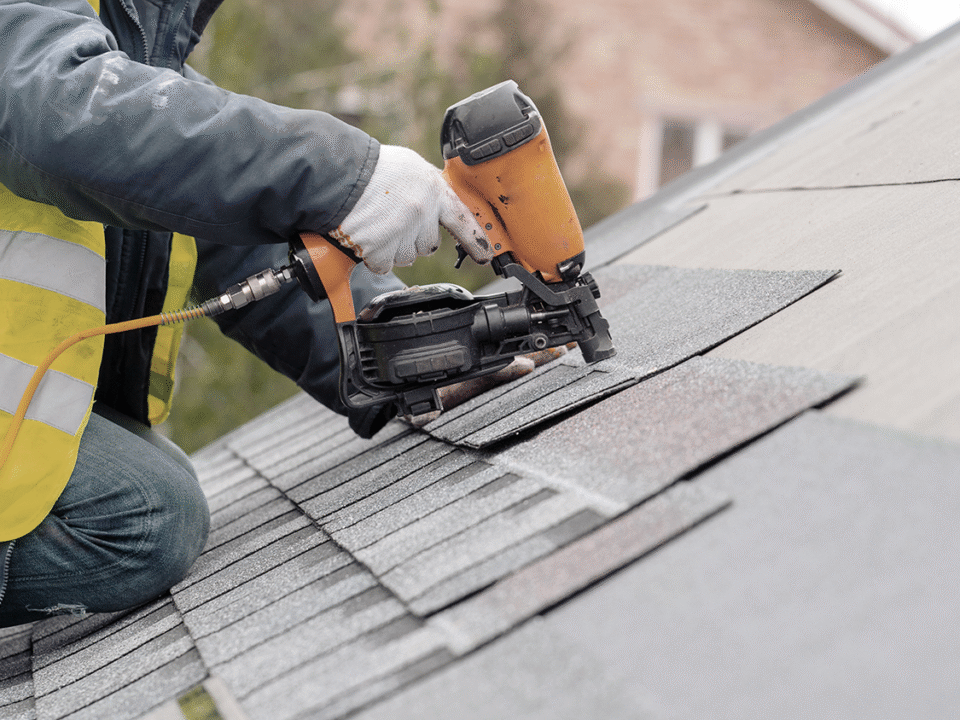
Traditional asphalt shingles absorb heat, but modern cool roof asphalt shingles are designed to reflect more sunlight. They are widely available and cost-effective.
Advantages:
- Affordable and easy to install
- Heat-reflective options available
- Variety of colors and styles
Disadvantages:
- Shorter lifespan in extreme heat (15–25 years)
- Not as durable as metal or tile
These shingles work best if you want a balance between cost and performance.
5. Slate Roofing
Slate is a natural stone that provides excellent thermal resistance and a unique aesthetic. It can last over a century if installed correctly.
Advantages:
- Extremely durable
- Fire-resistant
- Low maintenance
- Natural beauty
Disadvantages:
- Very expensive
- Heavy, requiring strong structural support
- Professional installation needed
Slate is suitable for high-end homes in hot climates where long-term durability is a priority.
6. Synthetic Roofing Materials
Synthetic options, such as rubber, plastic, or polymer-based tiles, are designed to mimic natural materials while offering lighter weight and improved heat resistance.
Advantages:
- Lightweight
- UV and heat resistant
- Can replicate the look of wood, slate, or clay
- Lower installation cost than natural alternatives
Disadvantages:
- Can fade over time
- Lifespan varies depending on quality
Synthetic materials are ideal for homeowners who want style, durability, and lower maintenance without heavy costs.
Additional Tips for Hot Climate Roofs
- Choose Lighter Colors: Light-colored roofs reflect more sunlight, keeping your home cooler.
- Proper Ventilation: Attic ventilation reduces heat buildup, preventing material warping.
- Insulation Matters: Pair your roof with quality insulation to maximize energy efficiency.
- Regular Maintenance: Inspect your roof for cracks, loose tiles, or rust to prolong lifespan.
- Consider Solar Panels: Some roofing materials work well with solar panels, adding extra energy efficiency.
Conclusion
Selecting the best roofing material for hot climates requires balancing durability, heat reflection, cost, and aesthetics. Clay and concrete tiles, metal roofing, and heat-resistant asphalt shingles are excellent options, while slate and synthetic materials cater to more specific preferences. By understanding your climate, roof structure, and budget, you can choose a roof that not only protects your home but also keeps it comfortable year-round.
FAQs About Roofing Materials for Hot Climates
1. What is the most heat-resistant roofing material?
Clay and concrete tiles, along with metal roofing, are among the most heat-resistant options because they reflect sunlight and withstand thermal expansion.
2. Are dark-colored roofs bad in hot climates?
Yes. Dark colors absorb more heat, increasing indoor temperatures and cooling costs. Lighter colors are recommended for hot climates.
3. How long do metal roofs last in hot areas?
A well-installed metal roof can last between 40–70 years, even under intense heat, if maintained properly.
4. Can asphalt shingles be used in hot climates?
Yes, but choose special heat-reflective or “cool roof” asphalt shingles to prevent early degradation.
5. Do clay tiles require special roof support?
Yes, clay tiles are heavy. Your roof structure may need reinforcement to safely support them.
Choosing the right roofing material for a hot climate doesn’t have to be complicated. By focusing on heat resistance, durability, and energy efficiency, you can ensure your home remains comfortable and your roof lasts for decades.