
Best Flooring Options for Kitchens: A Complete Guide
February 11, 2026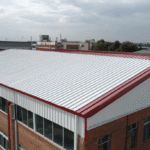
Best Roofing Materials for Hot Climates: A Complete Guide
February 11, 2026
Bathrooms are one of the most frequently used spaces in any home. Because of the constant exposure to water, moisture, and humidity, choosing the right flooring for a bathroom is crucial. Traditional flooring materials like hardwood or laminate can easily get damaged when wet. This is where waterproof flooring for bathrooms comes in. It combines style, durability, and practicality, making it a smart choice for any bathroom renovation or construction.
In this article, we will explore the types of waterproof flooring, their benefits, installation tips, and answers to common questions.
What is Waterproof Flooring?
Waterproof flooring is a type of floor that resists water penetration. Unlike regular flooring, which can swell, warp, or get moldy when exposed to moisture, waterproof flooring is designed to keep water from damaging the surface and the subfloor underneath.
In bathrooms, this is particularly important because water can spill, splash, or condense on the floors. Waterproof flooring ensures your bathroom stays safe, dry, and beautiful for years.
Types of Waterproof Flooring for Bathrooms
There are several options when it comes to waterproof flooring, each with its unique benefits:
1. Vinyl Flooring
Vinyl is one of the most popular choices for bathrooms. It comes in sheets, tiles, or planks and is 100% waterproof. Modern vinyl can mimic the look of wood, stone, or ceramic, giving a luxurious appearance without the high cost.
Pros:
- Affordable and widely available
- Easy to install
- Low maintenance
- Comfortable underfoot
Cons:
- Can dent or scratch easily
- May fade over time with prolonged sunlight exposure
2. Luxury Vinyl Plank (LVP)
LVP is a higher-end version of vinyl flooring. It looks almost identical to real wood or stone but offers complete waterproof protection. LVP is thick, durable, and perfect for bathrooms where water exposure is constant.
Pros:
- Realistic appearance
- Very durable
- Waterproof and scratch-resistant
- Easy to clean
Cons:
- More expensive than standard vinyl
- Professional installation may be recommended
3. Porcelain or Ceramic Tiles
Tiles have been a bathroom favorite for decades. Porcelain and ceramic tiles are naturally waterproof, especially when properly grouted and sealed. They are available in various colors, shapes, and sizes, making them versatile for any design.
Pros:
- Extremely durable
- Water-resistant
- Heat-tolerant (good for heated floors)
- Easy to clean
Cons:
- Can be slippery when wet
- Hard underfoot
- Installation can be labor-intensive
4. Waterproof Laminate Flooring
Unlike traditional laminate, waterproof laminate is designed to resist water and moisture. It is made of a special core material that prevents warping or swelling.
Pros:
- Looks like hardwood
- Easier to install than tile
- Affordable option
Cons:
- Not all laminate is fully waterproof; check specifications
- Can be scratched more easily than vinyl or tile
5. Engineered Wood with Waterproof Finish
For those who love the look of real wood, engineered wood with a waterproof finish can be an excellent option. It consists of layers of real wood bonded together with a waterproof coating, making it resistant to water damage.
Pros:
- Elegant and natural look
- More stable than solid wood
- Can be sanded and refinished
Cons:
- Expensive
- Still needs care to avoid standing water damage
Benefits of Waterproof Flooring in Bathrooms
Investing in waterproof flooring for your bathroom has many benefits:
- Durability: Waterproof flooring lasts longer than traditional materials because it resists water damage.
- Safety: It reduces the risk of mold, mildew, and slippery surfaces.
- Easy Maintenance: Cleaning is simple, and spills or splashes won’t cause permanent damage.
- Variety of Styles: From wood to stone to modern designs, you can find waterproof options that fit any aesthetic.
- Cost-Effective: While some options may seem pricey upfront, they save money over time by avoiding repairs from water damage.
How to Choose the Right Waterproof Flooring
When selecting the best waterproof flooring for your bathroom, consider the following factors:
- Waterproof Rating: Make sure the flooring is 100% waterproof, not just water-resistant.
- Durability: Choose a material that can withstand heavy foot traffic.
- Style: Consider colors, patterns, and textures that match your bathroom decor.
- Comfort: Some floors feel colder or harder underfoot; consider adding rugs or mats.
- Budget: Factor in both material and installation costs.
Installation Tips
Proper installation is essential for waterproof flooring to perform well. Here are some tips:
- Prepare the Subfloor: Ensure it is clean, dry, and level.
- Follow Manufacturer Instructions: Every type of flooring has specific installation guidelines.
- Seal the Edges: For tiles or laminate, make sure seams are sealed to prevent water seepage.
- Use Underlayment: Some vinyl and laminate floors require an underlayment for better support and soundproofing.
- Hire Professionals if Needed: While vinyl and some laminates are DIY-friendly, tiles or engineered wood may require professional installation.
Maintenance Tips
Waterproof flooring is low maintenance, but a little care extends its life:
- Sweep or vacuum regularly to remove dirt.
- Wipe up spills immediately.
- Use gentle cleaning solutions to avoid damaging the surface.
- Avoid dragging heavy objects to prevent scratches.
- Re-seal tile grout every few years to maintain waterproofing.
Frequently Asked Questions (FAQs)
1. Is waterproof flooring 100% immune to water damage?
Most waterproof flooring is designed to resist water, but standing water for long periods can still cause damage. Proper installation and cleaning up spills quickly are important.
2. Can I install waterproof flooring myself?
Some types, like vinyl or certain laminates, are DIY-friendly. However, tiles and engineered wood often require professional installation for the best results.
3. Which is better for bathrooms: vinyl or tile?
It depends on your needs. Vinyl is softer, warmer, and easier to install, while tile is extremely durable and offers a high-end look. Both are waterproof options.
4. Does waterproof flooring prevent mold growth?
Yes, it reduces moisture exposure, which lowers the risk of mold and mildew. However, proper ventilation is still necessary.
5. How long does waterproof flooring last in a bathroom?
With proper care, vinyl or laminate can last 10–20 years, and tiles can last 20–50 years. Engineered wood may last around 15–25 years depending on use and maintenance.
Conclusion
Waterproof flooring for bathrooms is no longer just a luxury; it’s a practical necessity. From vinyl to tile to engineered wood, there are options to suit every style, budget, and bathroom size. The key is choosing the right material, installing it correctly, and maintaining it properly.
Investing in waterproof flooring not only protects your home from water damage but also enhances the beauty and comfort of one of the most important rooms in your house. Whether you want a sleek modern look, the elegance of wood, or the durability of tiles, there’s a waterproof flooring option that fits your bathroom perfectly.
